
Melbourne Is Hosting the Nation's Best Teen Athletes This Week. Most Kids Have Already Quit.
Aug 01, 2026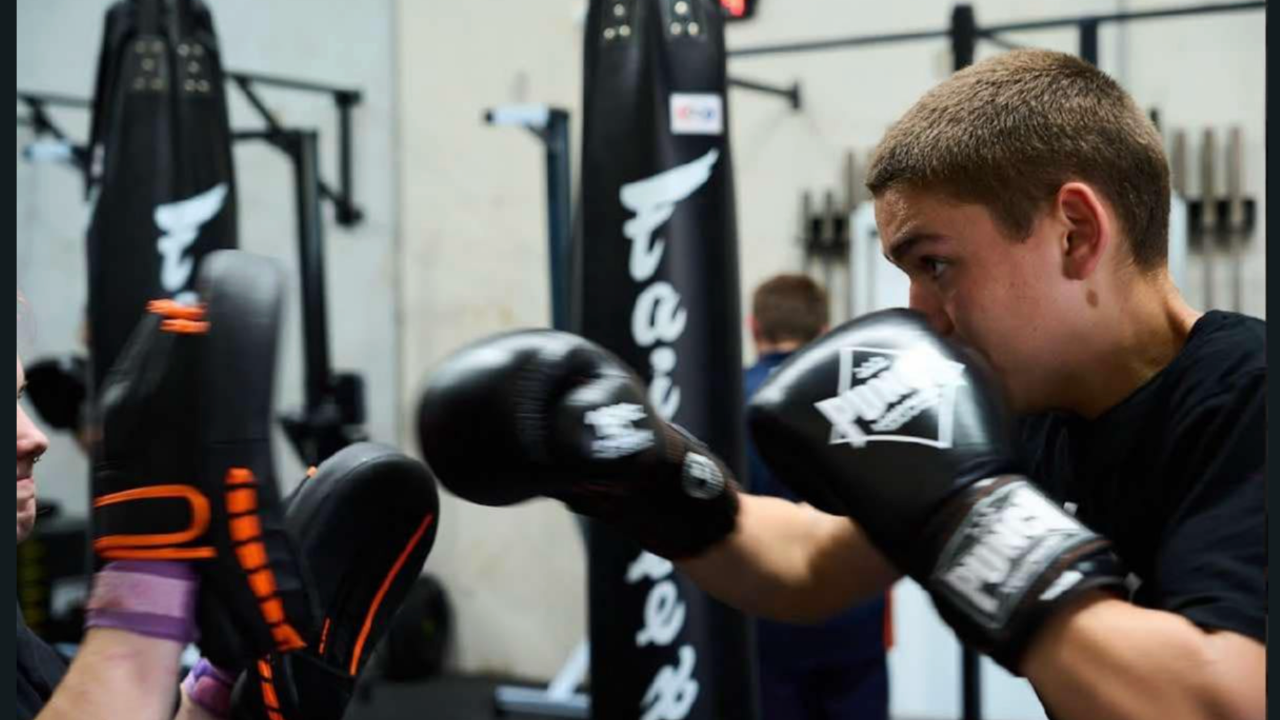
This week Melbourne is packed with the country's best school-age athletes, competing across swimming, basketball, football and half a dozen other sports at the School Sport Australia Games. It's genuinely impressive stuff — elite juniors, years of training, families who've built entire weekends around carpooling to fixtures. It's also, statistically, not where most Australian kids and sport end up.
Research into youth sport participation has repeatedly found that roughly a third of young Australians want to stop playing organised, out-of-school sport, with time pressure, rising costs and competitiveness cited as the biggest reasons. Kids with disability drop out even earlier, often by age 11. So while one arena in Melbourne is full of the kids who made it to the elite pathway, there's a much bigger, much quieter group who got squeezed out of the regular one.
Two Very Different Sport Stories
Elite junior pathways are brilliant for the kids who thrive in them, and Victoria genuinely produces excellent programs and coaching for that cohort. But most families aren't raising the next state representative. They're raising a kid who wants to move their body, make some mates and not spend Saturday mornings being yelled at from the sideline by someone's overinvested parent.
Somewhere between "casual backyard cricket" and "State Championships," a lot of community sport got quietly reorganised around competition and rep pathways, even at junior levels, because that's what wins premierships and fills trophy cabinets. It's also, if the dropout research is anything to go by, what's pushing a decent chunk of kids toward the door.
Where Boxing Sits Outside That Story
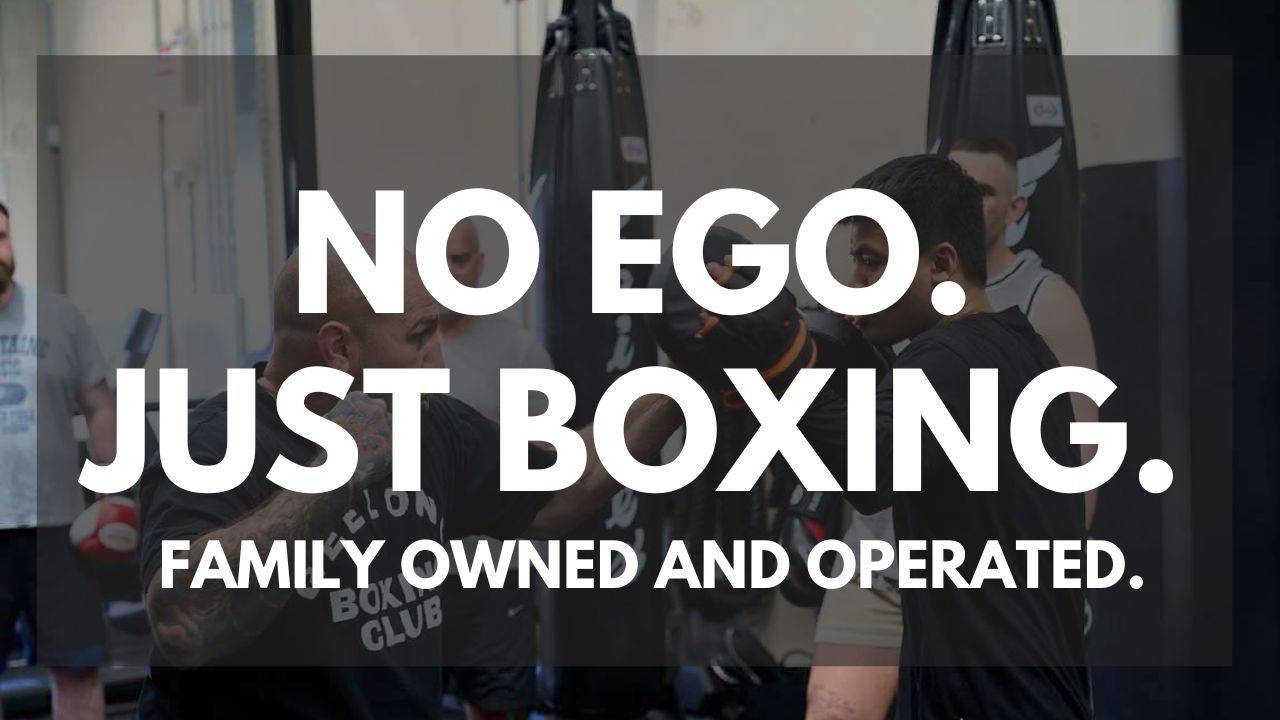
Boxing has an odd advantage here that most team sports don't: at the community level, especially for kids, it's built around individual progress rather than a ladder of who beats whom. Our youth program, for ages 8 and up, isn't running trials or cutting kids from a squad. Nobody gets benched. A ten-year-old's rival this week is the version of themselves from six weeks ago, and that's a genuinely different psychological deal to being compared against thirty other kids for a competition spot.
That doesn't mean there's no structure or no standards — quite the opposite, the technical bar is high and the discipline is real. It just means the metric for success is "did you get better," not "did you win," which turns out to matter enormously for the kids who'd otherwise be part of that third who want out.
The Bit Competitive Sport Doesn't Advertise
Nobody's against ambition, and the kids at this week's Games clearly love what they do. But the loss-and-cost calculus around competitive youth sport — the travel, the fees, the pressure, the sideline politics — isn't something every family signs up for happily, and plenty of kids who might have loved simply moving their bodies get lumped into a system built for the ones chasing selection.
What Geelong Boxing Club offers isn't a replacement for elite pathways. It's an answer for the much larger group of families who want their kid building discipline, fitness and self-respect without needing to survive a talent identification process to stay involved.
Why This Matters More Than the Trophy Count
A kid who quits organised sport at eleven doesn't just lose a season. Research consistently links dropped participation with lower physical activity and social connection through adolescence, right when both matter most. The fix isn't necessarily "more elite programs." It might be more programs that never asked a kid to prove they were good enough to belong there in the first place.
If you've got a kid who's lost interest in the usual sporting options, or never had one that fit, get in touch at [email protected]. No trials, no cuts, no sideline parents losing their minds over an umpiring decision.
