
Why Many Teen Girls Are Quietly Craving Proprioceptive Input
Feb 28, 2026
If you’re parenting a teenage girl right now, you may have noticed something that’s hard to name.
She might look capable on the outside. She might be coping at school. She might even insist she’s fine.
But in her body, something feels different.
She’s wired. On edge. Snappy. Or sometimes completely shut down.
More and more, what we are seeing in adolescent girls is not just emotional overwhelm. It is nervous systems that are under-supported from a sensory perspective. One of the most overlooked pieces of this puzzle is proprioceptive input.
What this actually means
Proprioception is the body’s internal feedback system. It is what tells the brain where the body is in space, how much force to use, and whether the body is organised enough to settle.
You see its calming effect in everyday moments. Deep pressure often helps someone relax. Pushing or lifting something heavy can improve focus. Strong, rhythmic movement can take the sharp edge off big feelings.
This kind of input is created through resistance and load through the muscles and joints. It works from the body up, which is why it can be so powerful for young people who are already highly verbal or cognitively aware but still physiologically dysregulated.
Occupational therapy and sensory processing research have long recognised proprioceptive input as deeply organising for the nervous system. Yet in many modern routines, teen girls are simply not getting enough of it.
Why many teen girls are under-loaded
Today’s adolescent girls are often living very full lives cognitively while their bodies are comparatively underworked.
They are spending long periods sitting at school, moving between screens, managing high academic and social expectations and frequently sleeping less than their nervous systems require. At the same time, many girls naturally step away from strength-based or physically demanding movement during early adolescence, often influenced by social pressures, body image concerns or changing peer dynamics.
This matters because the teenage nervous system is already more sensitive and reactive. When strong, organising body input is missing, parents often begin to notice anxiety that seems to live in the body, difficulty switching off at night, emotional spikes that feel disproportionate, shutdown and withdrawal, or a constant undercurrent of physical tension.
In these moments, more talking is not always what helps most. Often, the body itself is still carrying the load.
Why the type of movement matters
Not all exercise gives the nervous system what it is actually looking for. Light cardio is helpful for general health but does not always provide enough joint compression or resistance to create a meaningful organising effect. Highly chaotic or overstimulating environments can also increase stress for already sensitive teens.
Movement that tends to support regulation is usually rhythmic, predictable, resistance-based and delivered in an environment that feels emotionally safe.
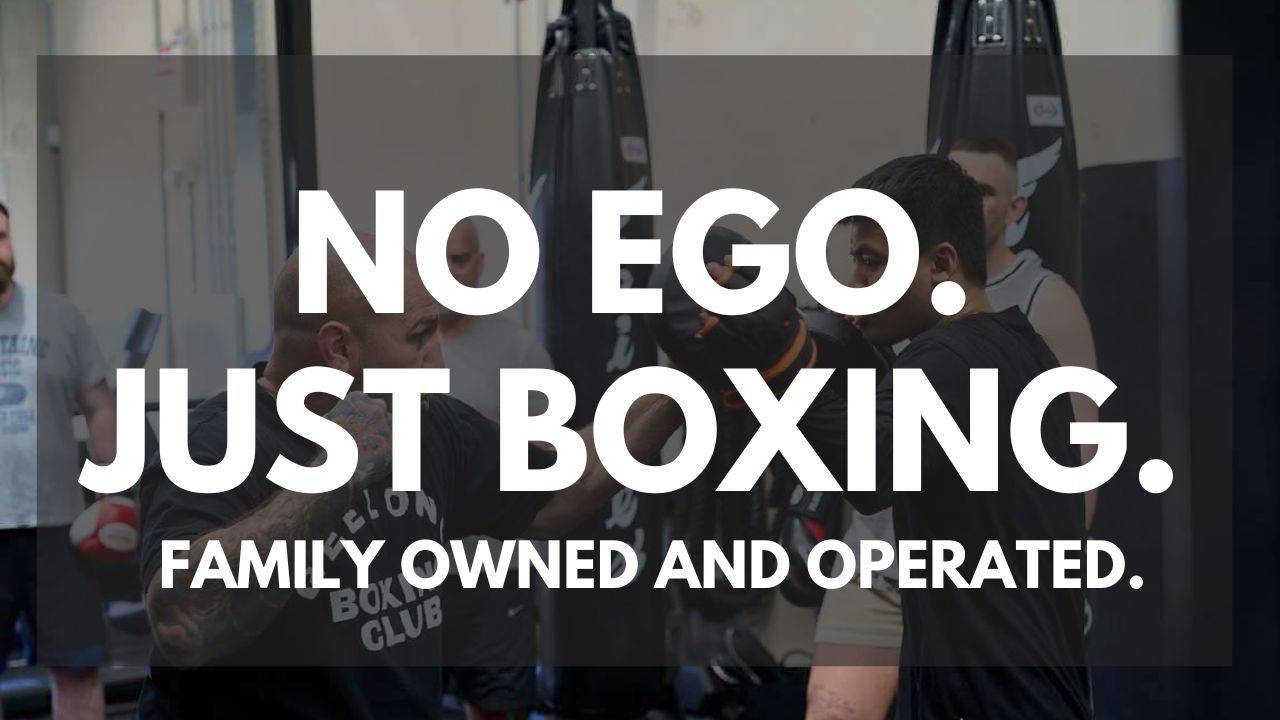
This is where non-contact boxing, when delivered in a trauma-informed and developmentally responsive way, can be particularly effective. Structured pad work provides strong, clear feedback through the arms and shoulders, requires coordinated bilateral movement, and offers rhythmic repetition with immediate physical feedback. For many young people, this combination helps the nervous system finally receive the kind of input it has been quietly seeking.
How our 1:1 sessions are designed to support this
At Geelong Boxing Club, our Private 1:1 Emotional Regulation Boxing Sessions with Lena were developed in response to the growing number of girls and young women presenting with anxiety, overwhelm and school-related stress who were not yet comfortable in busy group environments.
Each session uses non-contact pad work, paced and rhythmic combinations, strength-based movement and integrated breath support within a calm and predictable structure. The pace is carefully adjusted to the young person in front of us, and there is space to talk if they want to, without pressure if they do not.
The intention is not fitness for its own sake. The intention is to help the nervous system receive the kind of proprioceptive input that supports settling and organisation.
For many girls, beginning in a one-to-one setting is crucial. It reduces social pressure and allows the body to feel safe enough to actually benefit from the movement. Over time, families often notice their daughters becoming more grounded, less physically tense, better able to tolerate frustration and more comfortable in their own body.
If your gut is nudging you
Teen girls today do not need more pressure or more performance talk. Many need thoughtful, body-based support that meets their nervous system where it is.
If your daughter often seems on edge, overwhelmed or disconnected from her body, it may be worth gently considering whether she is getting enough of the right kind of movement in her week.
Proprioceptive input is not a trend. It is a biological need. And when we meet that need well, the shifts can be quietly powerful.
