
The Government Wants to Know Why You Quit Sport. I Could Have Told Them for Free
Jul 24, 2026
The Australian Sports Commission has just opened two national surveys, one on disability and sport, one measuring the broader "impact of sport", as part of a strategy called Play Well. They want to hear from people who've disengaged from sport, people who never started, coaches, volunteers, administrators, the lot. It's a genuinely good initiative, backed by real funding, aimed at building an evidence base for why sport participation drops off and what actually works to fix it.
I'll fill mine out. But I've been running a community gym in Geelong for years, and I can save the researchers some survey fatigue: the barriers aren't mysterious. They're the same four or five things, repeated in every intake conversation I've ever had. Cost. Intimidation. Not knowing anyone. Feeling like your body has to already look a certain way before you're allowed to walk in the door. None of that requires a Qualtrics form to discover. It requires someone to actually ask the person standing in the doorway instead of the person who's already inside.
The barrier nobody puts on a survey
Here's the one that doesn't show up cleanly in a structured questionnaire: shame. Not "cost" in the abstract, but the specific humiliation of being the least fit, least coordinated, least confident person in a room full of people who look like they were born mid-set. That's what actually keeps people out of gyms and off ovals, and it's a much harder thing to tick a box for than "membership fees."
The ASC's own framing acknowledges some of this: barriers include "attitudes" and "workforce capability," which is bureaucratic language for "the coach made someone feel stupid on day one and they never came back." That's real, it's common, and it's entirely fixable at the level of a single gym, without waiting for a national strategy to land.
What "inclusive" actually looks like on a Tuesday night
We didn't need a Disability Sport Action Plan to figure out that a class works better when the coach adjusts the drill to the person instead of making the person contort to fit the drill. We didn't need a national Impact of Sport framework to notice that the fastest way to keep someone training is to remember their name and ask how their knee's holding up. This is not innovation. It's just paying attention, which is apparently rare enough in this country that it's now the subject of a government survey with a spreadsheet behind it.
I say this with respect for the work, not contempt for it. Evidence matters, and a proper national data set on why people quit will do more good long-term than my anecdotes from one gym in Victoria. But the survey results, when they land, are going to confirm what every good coach and every honest gym owner already knows: people don't quit sport because they hate movement. They quit because somewhere along the way, sport made them feel like they didn't belong in it.
Fixing it doesn't require a strategy document
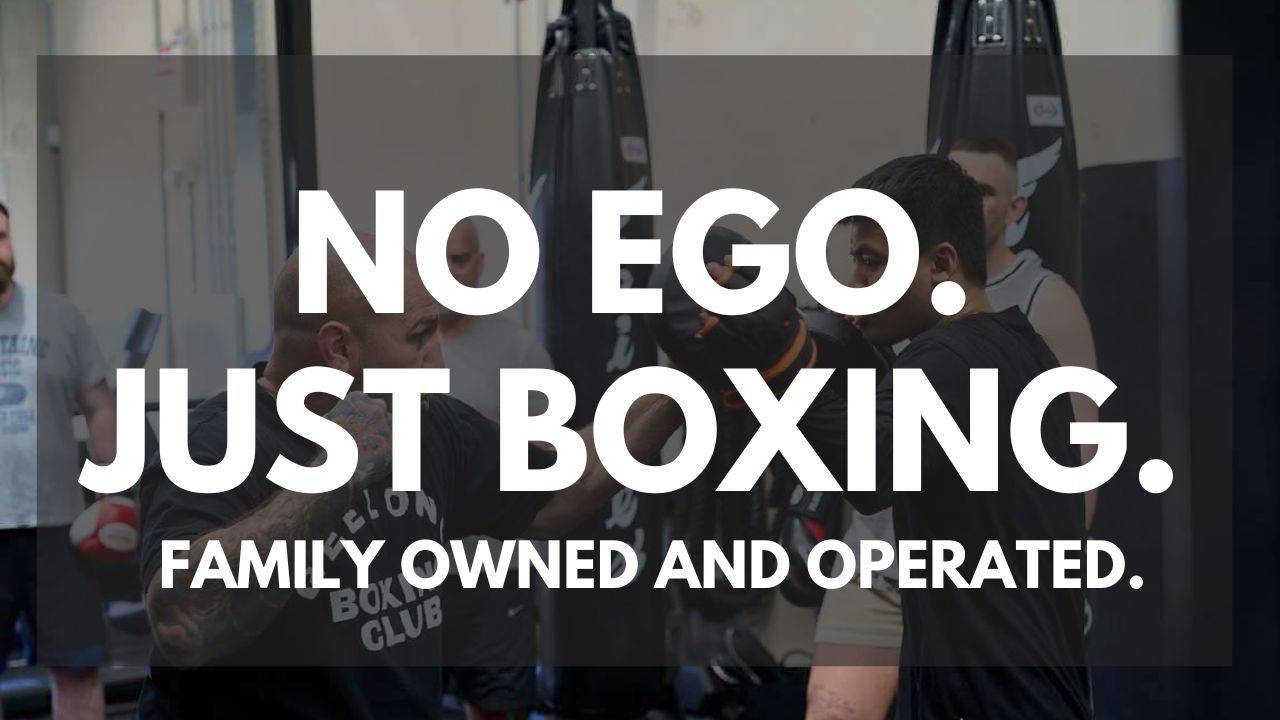
You fix it by building a room where the person who's never thrown a punch in their life and the person who's been training for a decade can be in the same class without either of them feeling out of place. That's the whole trick. It's not complicated, it's just consistently under-delivered, which is presumably why it needs measuring at a national level before anyone takes it seriously enough to fund properly.
If you've disengaged from any kind of structured movement (sport, gym, whatever word fits) because it made you feel judged rather than welcome, that's worth telling the ASC in their survey. It's also worth telling us. We built this place specifically for the person who assumes they're not the "gym type." Email [email protected] and let's prove that assumption wrong.
