
The Science Is In: Team Sport Is One of the Best Things You Can Do for Your Kid's Mental Health
Jul 06, 2026
Researchers at the University of Newcastle didn't set out to prove something everyone already suspected. They set out to measure it properly. So they reviewed 189 studies spanning more than three decades, looked at kids aged 5 to 17 across organised sport settings, and wrote it all up in a paper published in March 2026.
The headline finding: organised sport—especially team sport—is a powerful setting for supporting kids' mental health and social development.
Not a contributing factor. Not a nice-to-have. A powerful setting.
What "Better Mental Health" Actually Means
The Newcastle review found that kids who participate in organised sport tend to report better mental health, higher self-esteem, and stronger social outcomes—things like belonging, prosocial behaviour, and interpersonal skills.
The pathways are what make it interesting. It's not just "exercise releases endorphins"—though it does. The mechanisms include:
- Positive self-perception: confidence that comes from actual skill mastery, not participation ribbons
- Peer belonging: feeling genuinely accepted as part of a group
- Social support: from teammates, coaches, and the broader environment
Crucially, the review found team sports showed stronger and more consistent mental health benefits than individual sports. The social side of sport isn't incidental. It's half the point.
What This Looks Like From Inside a Boxing Gym
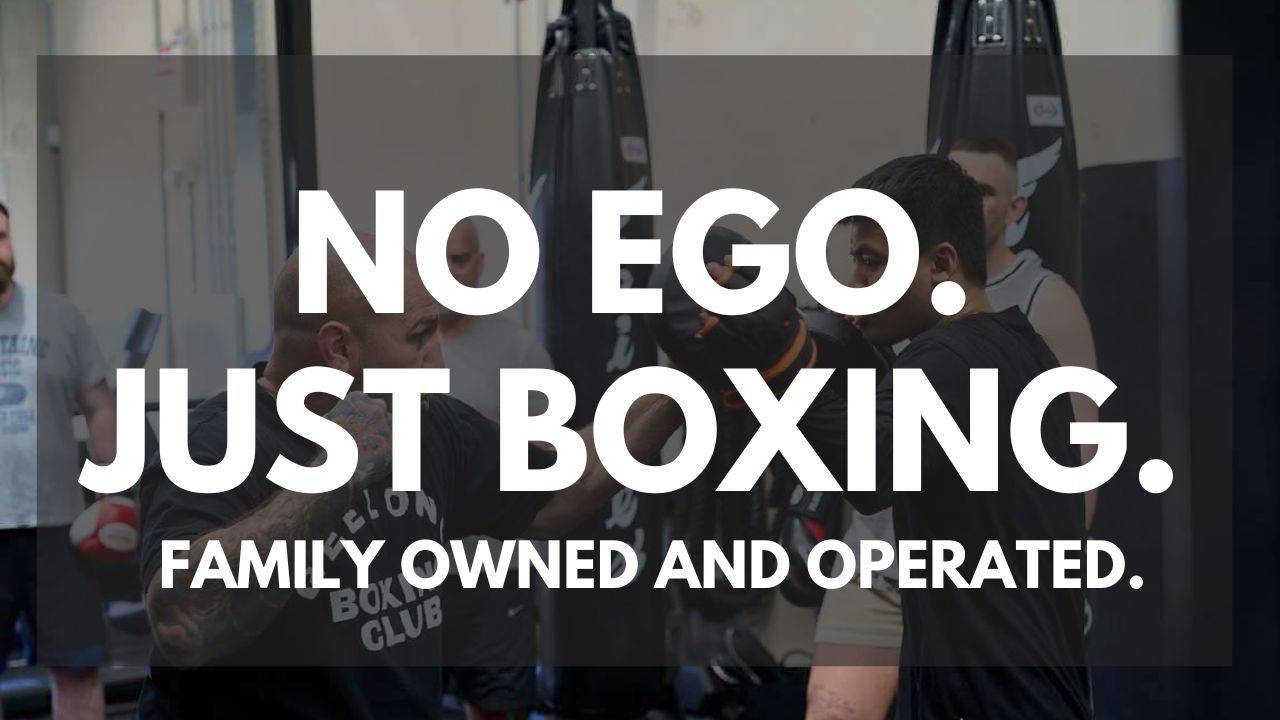
I've been running Geelong Boxing Club long enough to have watched a pattern repeat itself dozens of times. A kid walks in—usually a bit nervous, maybe dragged in by a parent who's quietly worried about them, sometimes one who's bouncing off the walls and needs somewhere to put all that energy. They're hesitant. They don't know anyone.
Then something starts to shift. Not immediately. Not the first session. But within a few weeks, they stop watching the clock. They start talking to the person on the bag next to them. They notice they can do something they couldn't do last month.
That's the research playing out in real time. Skill mastery. Belonging. Confidence that comes from having earned it.
Why the Quality of the Environment Matters
The Newcastle team made an important point that doesn't always make it into the headlines: it's not just participation in sport that matters, it's the quality of the environment.
Inclusive team cultures, supportive relationships, safe and well-structured settings—these are the things that actually unlock the mental health benefits. A toxic competitive culture can do the opposite.
This is why I care so much about how we run things at GBC. We take the training seriously—the kids learn real skills and they work hard. But the culture is one where everyone belongs from day one. An 8-year-old who's never thrown a punch in their life is treated with the same respect as a kid who's been coming for two years.
That's not accidental. It's the whole thing.
Team Sport in a Gym That Smells Like Liniment
Boxing is a bit of an odd one to classify. On paper it looks like an individual sport. In practice, at a club level, it's deeply communal. You train together, you push each other, you hold pads for each other, you cheer each other on. The coach-athlete relationship in boxing is one of the most intensive in sport.
The social structures are all there. The belonging is all there. And the skill development—the very particular satisfaction of your jab finally clicking, or your footwork finally feeling natural—is as real as it gets.
Associate Professor Narelle Eather from Newcastle put it plainly: sport "can also provide a setting for building friendships, developing confidence, working towards shared goals, and feeling connected to others."
We've been doing that in Geelong for years. Turns out we have 189 studies of evidence to back us up now.
What You Can Do Right Now
If you've got a kid who's struggling—with anxiety, with confidence, with making friends, with just finding somewhere to belong—organised sport deserves serious consideration. Not as a silver bullet. But as one of the most evidence-backed things you can put in their week.
Our youth programs start from age 5. We train in a structured, safe environment with coaches who actually care about the human being, not just the athlete.
Drop us a line at [email protected] if you want to know more, or if you just want to ask a question before your kid walks through the door. We get it. First steps are the hardest.
Source: Eather et al. (2026). "The impact of sports participation on psychological health and social outcomes in children and adolescents." Systematic Reviews. University of Newcastle's Global Sport and Movement Collaborative. Read more here.
