
The Teenagers Labelled Hard to Reach: Why Connection Comes Before Compliance
Nov 08, 2026
Some teenagers are easy to engage.
They walk into a room, make conversation, follow instructions and participate without much resistance.
And then there are the teenagers who don't.
The ones who refuse to participate. The ones who appear disinterested, withdrawn, defensive or angry. The ones who have already decided that another adult trying to tell them what to do isn't going to be particularly interesting.
These are often the young people described as difficult, disengaged or hard to reach.
But perhaps we need to question the language we're using.
What if the young person isn't difficult to reach? What if the way we're trying to reach them isn't working?
Connection can't be demanded
Young people don't automatically trust adults because we're older, qualified or well intentioned.
Trust develops through experience.
It develops when adults show consistency, follow through, listen without immediately correcting, establish clear boundaries and demonstrate that they can manage uncomfortable moments without withdrawing or escalating.
For some teenagers, particularly those who have experienced repeated difficulties in relationships or educational settings, this process takes time.
We cannot expect a young person to engage simply because we've decided that engagement is important.
We have to create the conditions where engagement becomes possible.
Why boxing can open a door
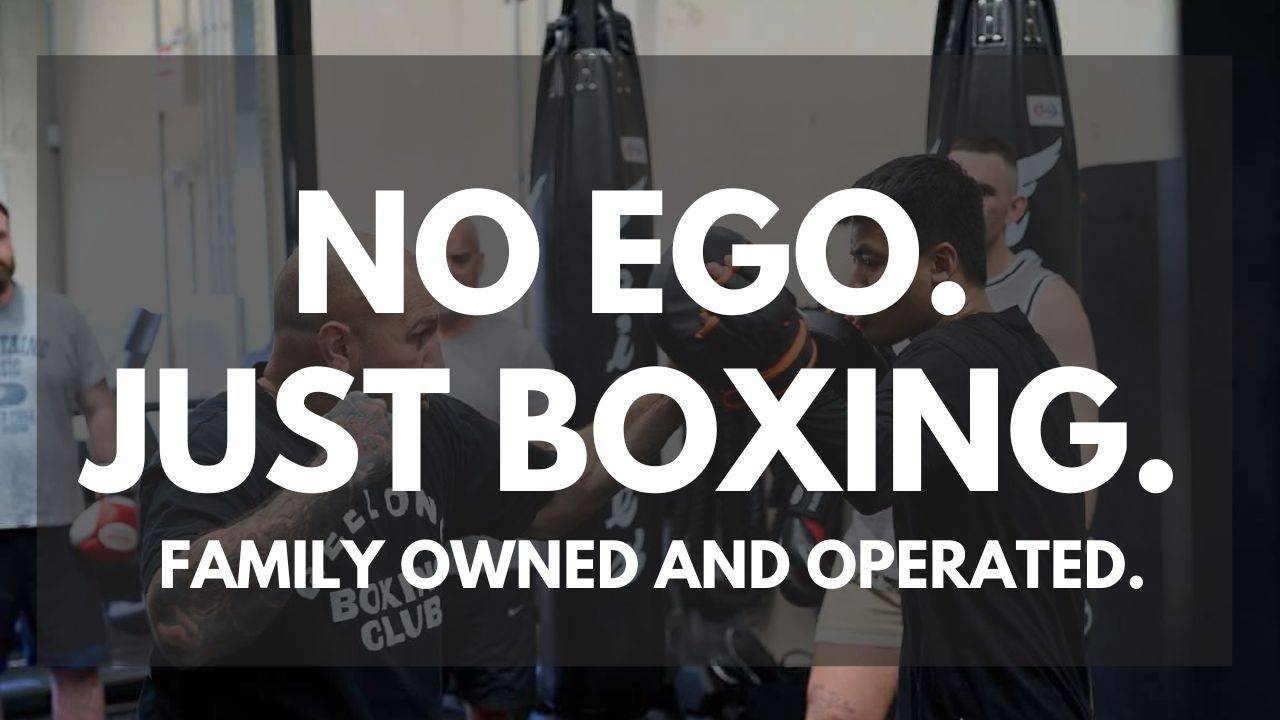
At Geelong Boxing Club, we use non-contact boxing and movement as a way to create opportunities for connection.
And there is a reason this approach can be particularly useful for teenagers.
Not every young person wants to sit across from an adult and talk about their feelings. Not every teenager has the language, confidence or willingness to explain what's happening in their world.
Sometimes starting with a shared activity makes more sense.
There's something different about working alongside someone rather than immediately expecting them to talk.
You can focus on learning a combination, holding pads, finding a rhythm or attempting something new. Conversation can develop naturally without being forced.
The activity gives both the young person and the adult something to do together.
It creates opportunities for shared attention, communication, humour, challenge and achievement.
For a teenager who has become accustomed to feeling misunderstood or judged, that experience can matter.
But boxing is the door, not the whole job
We need to be clear about something.
Boxing isn't a magic solution to adolescent mental health challenges, disengagement or difficult behaviour.
The activity itself is only one part of the work.
The real value comes from what happens around it: the relationship, the coaching, the boundaries, the observation and the ability to respond to what a young person needs in the moment.
Understanding adolescent development matters. So does recognising that behaviour can communicate distress, uncertainty, frustration or unmet needs.
Sometimes a young person needs encouragement. Sometimes they need space. Sometimes they need a clear boundary. Sometimes they need an adult who can remain steady when the interaction becomes uncomfortable.
That requires skill, experience and genuine commitment to working with young people.
Beyond getting teenagers to participate
Our goal isn't simply to get teenagers through the door and make them follow instructions.
We want to create opportunities for them to experience themselves differently.
To discover that they can learn something new. That they can communicate what they need. That they can make decisions, work through challenges and build relationships with adults who take them seriously.
We want young people to experience competence, connection and agency.
Not because someone has told them they're capable, but because they've had an opportunity to discover it.
Support for teenagers in Geelong
Geelong Boxing Club and Beyond Boxing work with young people through structured boxing, movement and relationship-based coaching.
Our programs are designed to support skill development, emotional awareness, connection and engagement.
We are particularly interested in creating opportunities for young people who may not feel connected to traditional sporting, educational or support environments.
If you're a parent, school, youth worker or organisation looking for a different approach to engaging teenagers, we'd love to talk.
Sometimes the first step isn't asking a young person to talk.
It's finding a way to connect.
