
Half of Australian Teens Will Face Anxiety or Depression. Here's What Actually Stops It.
Sep 08, 2026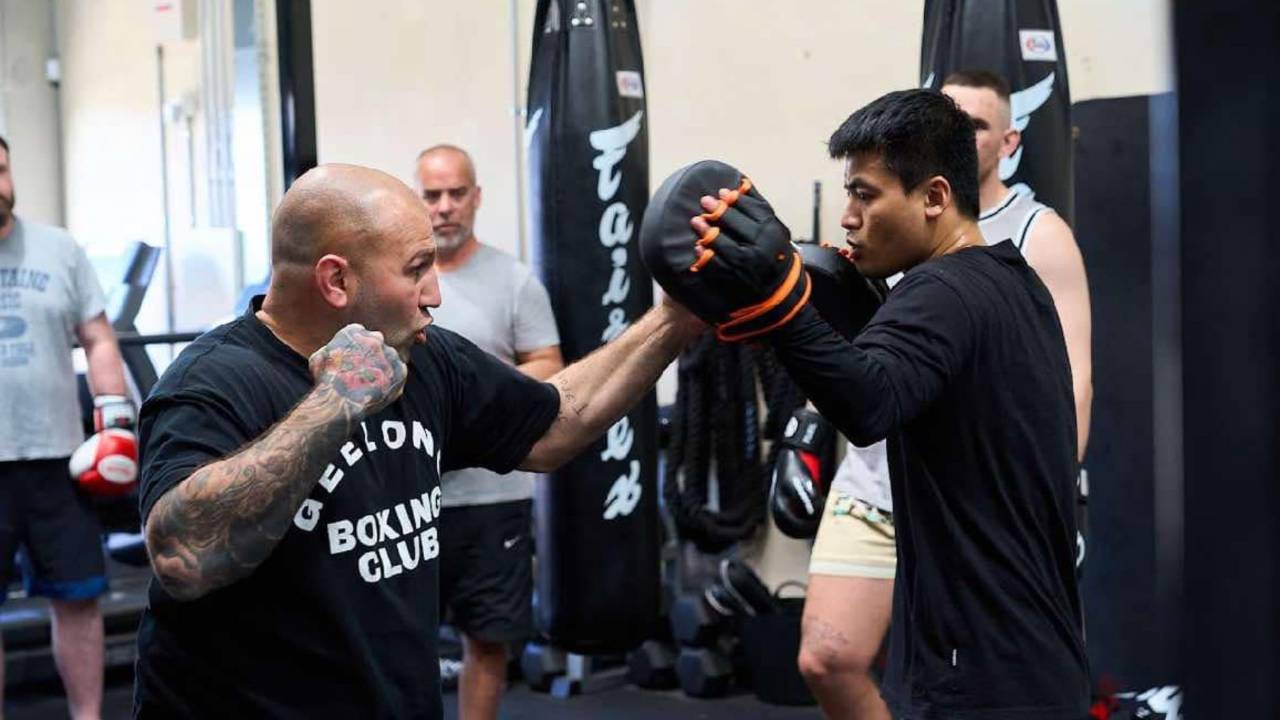
The Australian data is stark: about half of all teenagers will meet the criteria for anxiety or depression by adulthood. That's not a headline designed to make parents panic. It's the maths. But here's what matters: it is preventable. Not "positive thinking" preventable. Not "just take a class" preventable. Prevention through actual nervous system change, competence building, and belonging. And the evidence is clearer than it's been.
Earlier this year, researchers from Burnet Institute released findings showing that half of Australian teens are projected to experience significant anxiety or depression during their teenage years. The instinct is to read that as a crisis and reach for apps, or wait-lists, or the next TED Talk. But the same research shows that prevention actually works. The problem is we are not doing enough of it before things become clinical. We are waiting for the breakdown instead of building the thing that stops it breaking down.
What Prevention Actually Means
When mental health researchers talk about prevention, they are not talking about resilience cheerleading or "build grit" messaging. They are talking about a specific set of conditions that change how the nervous system develops. A 2026 systematic review in Frontiers on Sport and Active Living found that physical activity in adolescence does something precise: it builds resilience, improves self-efficacy, and creates predictable, competence-based social connection. In other words, it teaches the nervous system that challenge is manageable, that you can trust your own capability, and that safe peers matter.
None of that happens by accident. It happens because someone is coaching it. A young person is not building nervous system resilience by going to the gym. They build it by being in a space where they are expected to try, where they are met when it gets hard, where the adult does not make it about their body shape or their speed or their toughness. It is about what they can do, what they learn about themselves through doing it, and who they do it with.
The Three Things the Evidence Points To
First: physical competence. Not body goals. Not fitness levels. Competence. The teen who does not believe they can learn to throw a punch, regulate their breathing under stress, or push through frustration carries that disbelief into everything else. The one who does believe they can learn builds that belief in a boxing gym, and it travels with them.
Second: co-regulation and real relationship. Co-regulation is a clinical term for a calm adult who stood next to them and did not make it worse. Most gyms hire on availability and hope. Evidence-based spaces hire for the skill of noticing when a young person is dysregulated, knowing what they need, and holding steady. That is the work. That is also what stops anxiety developing in the first place. Teens who have one adult who can actually meet them do not have the same risk profile.
Third: predictability and autonomy. Chaotic spaces breed anxiety. Authoritarian spaces breed disconnection. The spaces where prevention actually happens are clear about expectation, consistent in delivery, and honest about why the rules are there. A fifteen-year-old who knows exactly what is expected, knows it will be the same next week, and understands why they are being asked to do it is not the same as a fifteen-year-old being told to "just work harder" or "get over it."
This Is Not a Replacement for Treatment
To be clear: prevention is not a substitute for therapy or mental health treatment. If a young person is already in crisis, they need professional support. But half of teens are not there yet. They are the ones prevention is for. And the window to build these systems is exactly now. The research shows physical activity plus real relationships plus competence-based challenge works. Sport-based development programs work, specifically because they do all three at once.
The quiet part of the youth mental health conversation is this: we know what helps. We have stopped waiting for magic and started measuring what actually changes nervous systems. Physical activity does. Belonging does. Mastery does. Being met by a steady adult does. And those things do not happen in a space where no one is actually coaching, or in a space where the message is "toughen up." They happen in spaces built specifically for it.
The data is not there to scare you. It is there to tell you that you can act now. That coaching matters. That sport-based prevention is not a luxury. It is public health. And half your teens need it to work.
