
Not every young person is going to talk their way into feeling better
Nov 04, 2026
We need to broaden the way we think about young people's wellbeing.
For some young people, sitting down with an adult and talking about their feelings is a helpful starting point. For others, it can feel uncomfortable, overwhelming or completely inaccessible.
That doesn't mean they don't need support. It means we need to think more carefully about how we make support accessible.
At Geelong Boxing Club, our Beyond Boxing approach is built around a simple idea: movement can create meaningful opportunities for young people to develop the skills, relationships and experiences that support wellbeing.
And we're not talking about exercise as a distraction or boxing as a way to let off steam.
We're talking about intentional, structured movement with an adult who understands the developmental and emotional learning taking place.
The body is part of the wellbeing conversation
Emotional regulation isn't simply about knowing the right thing to say or being able to explain how we feel.
Young people are also learning to recognise physical cues, notice changes in their energy, respond to stress, tolerate challenge and understand what helps them return to a more regulated state.
These are skills that can be explored through movement.
In a carefully coached, non-contact boxing session, a young person might practise:
-
Noticing changes in breathing, energy and physical tension.
-
Staying with a task when something feels challenging.
-
Adjusting effort and responding to feedback.
-
Communicating needs and boundaries.
-
Experiencing progress through practice.
-
Building trust with a supportive adult and positive peers.
The value isn't in how hard someone punches or how fit they become. It's in the opportunity to practise skills in a real experience, with guidance and reflection.
Why the relationship matters
A program isn't automatically beneficial because it includes movement.
The environment matters. The quality of the relationship matters. The way adults respond to young people matters.
Young people need spaces where they aren't reduced to a diagnosis, a behaviour, a school attendance record or a list of things they struggle with.
They need adults who can recognise their strengths, provide appropriate challenge, maintain boundaries and create opportunities for genuine participation.
This is central to our work at Geelong Boxing Club and Beyond Boxing.
Our approach draws on our experience in education, youth development and child and adolescent wellbeing. We use movement as a practical setting for social and emotional learning, with an emphasis on regulation, agency, connection and positive experiences of capability.
A different entry point to support
We aren't suggesting that boxing replaces psychology, counselling, medical care or other therapeutic supports. It doesn't.
We are saying that young people benefit from having different ways to access positive experiences, supportive relationships and opportunities to develop their capabilities.
For some, a movement-based program can complement existing support. For others, it may provide an initial point of connection with a positive adult and a community they might not otherwise access.
That matters.
Especially when we know that engagement isn't just about whether a service exists. It's also about whether a young person feels able to walk through the door, participate and experience a sense of belonging once they're there.
Beyond Boxing at Geelong Boxing Club
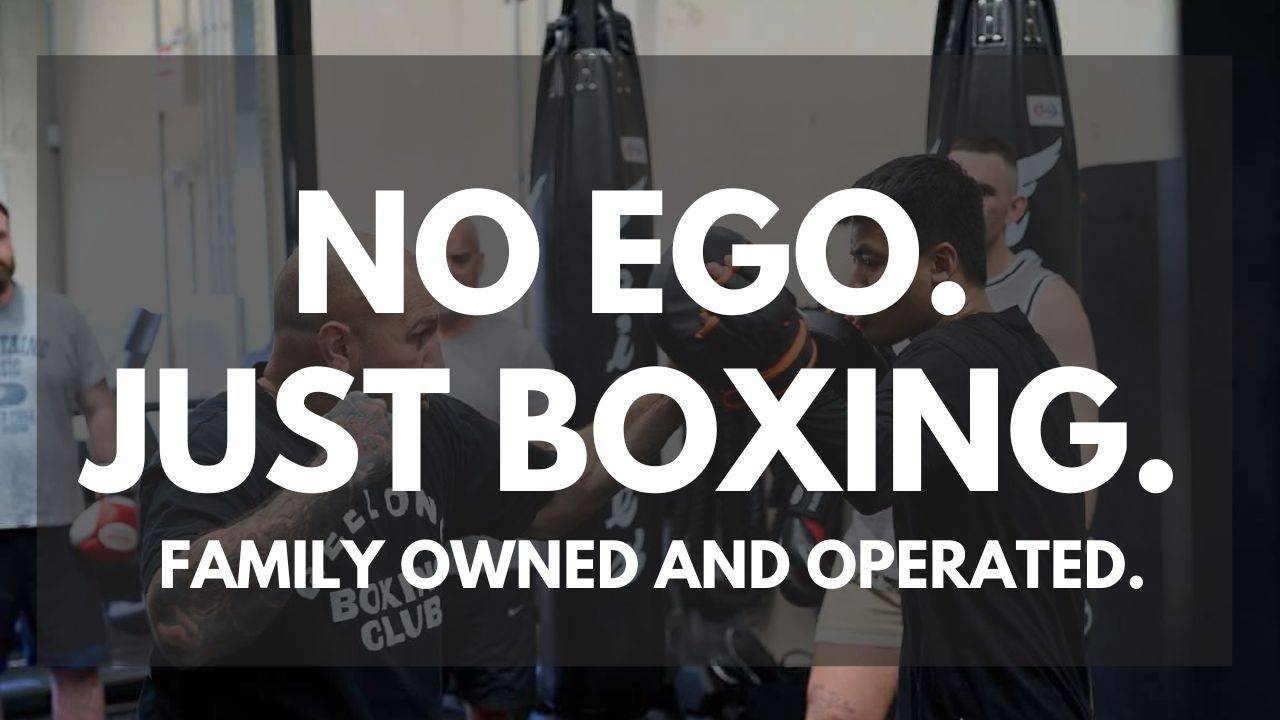
Our programs use non-contact boxing, padwork and intentional coaching to support young people's development.
We work with schools, families, wellbeing teams and community organisations to create opportunities for young people who may benefit from a different approach to engagement and wellbeing.
If you're supporting a young person who struggles to connect with traditional activities or would benefit from structured movement and positive relationships, we'd welcome a conversation.
Young people don't all need the same doorway into wellbeing. We need to be willing to create more doors.
