
A New Study Watched 14 Junior Games. The Problem Wasn't the Parents.
Sep 25, 2026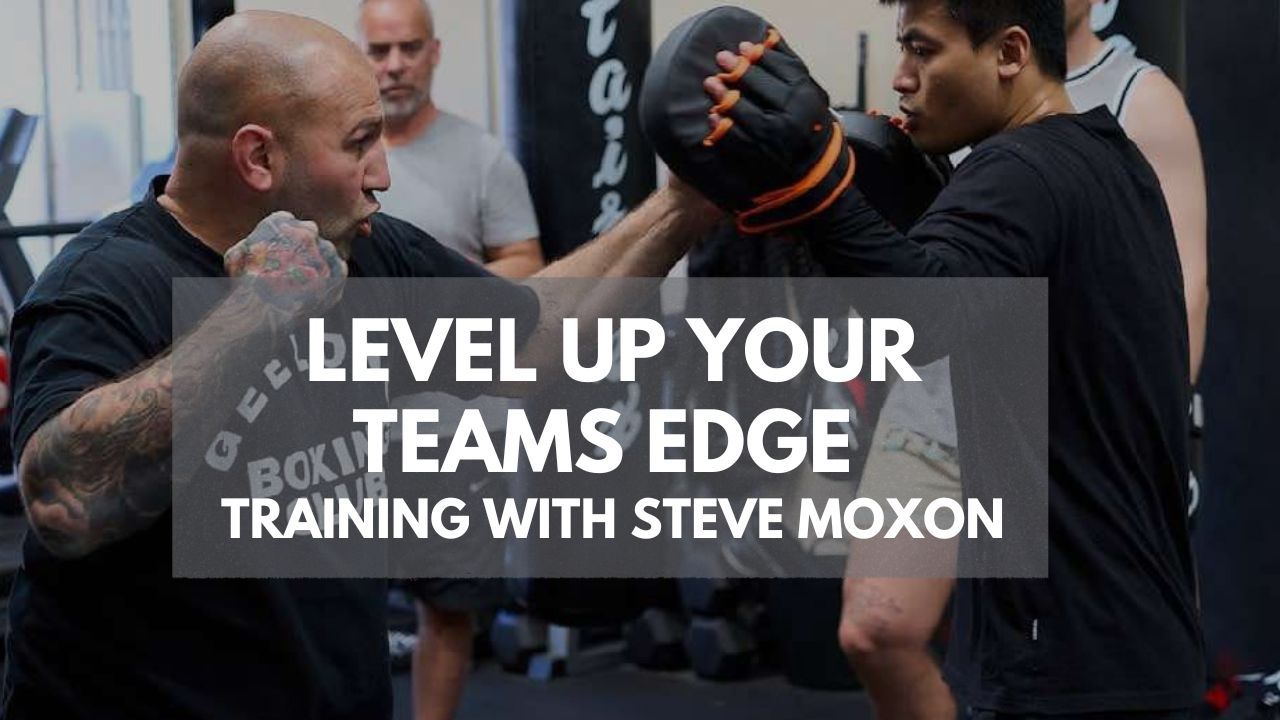
In late August, researchers from Liverpool John Moores University and Flinders University published a study in Managing Sport and Leisure that did the thing most commentary on junior sport never bothers with. They went and watched. Fourteen junior rugby league matches, under-7s through to under-16s, plus interviews and focus groups with the parents and the players themselves.
The findings are not surprising. The conclusion is.
The sideline gets worse as the children get older
At the youngest age groups the researchers recorded what they describe as family-oriented interaction — encouragement, praise, adults behaving more or less the way you would hope. Move up through the age groups at the same clubs and it shifts: swearing, criticism, aggressive coaching, and spectators openly encouraging kids to get physical.
Nobody put that to a vote. It accumulated. As Associate Professor Sam Elliott of Flinders, one of the authors, put it: "When enough people behave in a particular way, then influential adults model it, and when nobody meaningfully challenges it, behaviour that once looked unacceptable can start to look normal."
The framework is Social Learning Theory, which is an academic way of saying that people copy whatever they see tolerated. Children are very good at this. Adults are better.
Before anyone files it under Someone Else's Country: the study was conducted at two English clubs, but the NSW Office of Sport cites University of South Australia research finding that 69 per cent of junior athletes aged 12 to 17 reported some form of negative behaviour from their own parents on the sideline. The pattern travels.
The part the coverage will miss
The standard response to a study like this is a code of conduct, a sign at the gate, an awareness week, a firmly worded email in week four. Every one of those aims at an individual.
Elliott's own caution is the most useful line in the entire release: "The danger is that we change the individual without changing the environment. If that environment continues to model, reinforce or tolerate the same behaviours, we shouldn't be surprised when they return."
So the unit of analysis is the club, not the parent. And clubs do not set culture by publishing values. They set it in the four seconds after something happens — when a coach either addresses what was just said, in front of everyone, or doesn't. A code of conduct nobody has ever seen enforced is not a standard. It's stationery.
That is an uncomfortable finding for organisations, because it moves the cost from the parent to the club. Pulling up a well-liked, long-serving volunteer in front of forty people is considerably harder than printing a poster. It is also the only part that works.
What this looks like on our floor
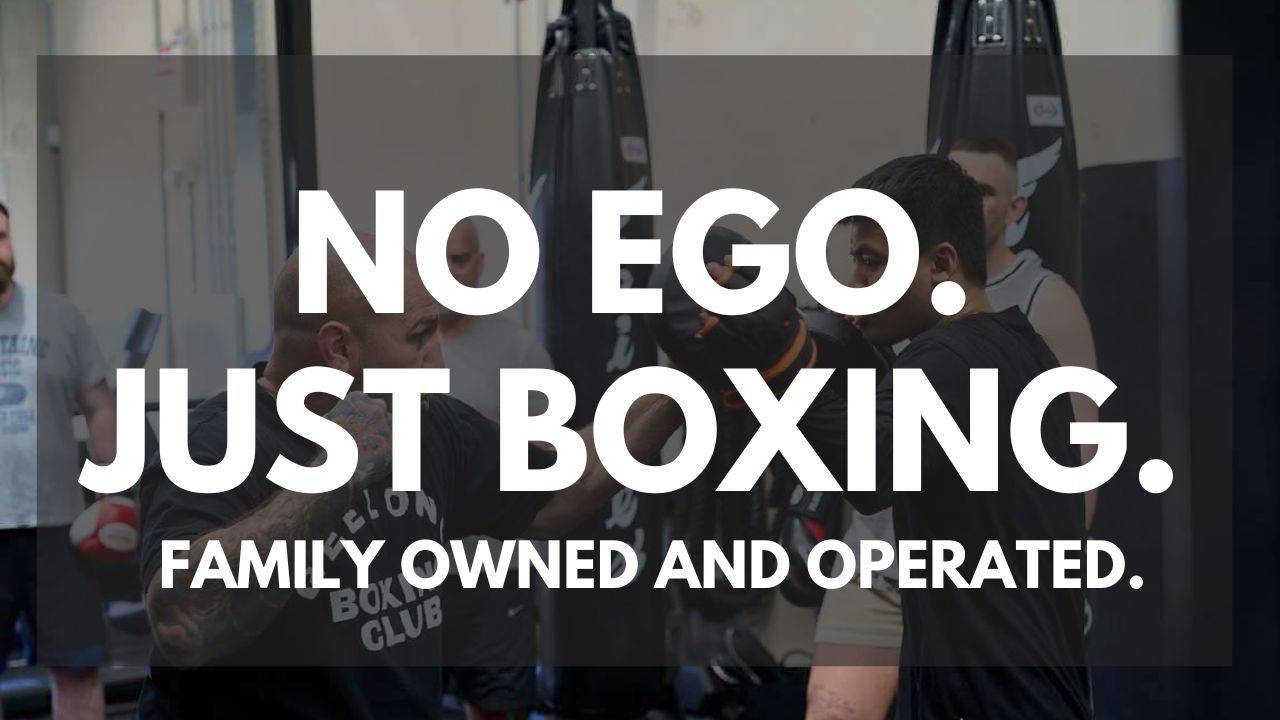
A twelve-year-old misses the same combination four times and drops his hands in disgust. The coach doesn't tell him to calm down, because nobody has ever calmed down on request. He says "reset, hands up, go again", and then stands there while it happens. Thirty seconds later the kid is boxing. That's co-regulation, which is a clinical way of saying that a steady adult stood next to him and declined to make it worse.
Then there's the structural part. There is no sideline at our club. Sessions belong to the people training in them: young people are dropped off and picked up, and the room is theirs for the hour. That is not an oversight in the timetable. A room where children are performing for an audience of adults is a different room with different incentives, and anyone who has ever played in front of a grandstand knows the difference.
None of which is treatment. A well-run training floor is not a substitute for a GP, a psychologist or a mental health care plan, and we say so to families regularly. What it is, is a predictable environment with clear expectations and adults who hold them. That is a smaller claim, and a more honest one.
Culture isn't the values on your wall. It's whatever you walked past last Saturday.
If you'd like your child to try it, get in touch and we'll organise a one-off casual session so they can train and work out whether it suits them. geelongboxingclub.com.au or 03 5277 1858.
