
How Kids Boxing Builds Social Skills | Confidence, Listening & Respect
Jan 19, 2026
When people think about boxing for kids, they often picture punching. What they miss is this: well-run kids boxing classes are fundamentally social learning environments.
Research into child development consistently shows that social skills are built through structured group activities where children must listen, take turns, read cues, manage impulses, and respond to others in real time. That’s exactly what happens in our kids boxing classes at Geelong Boxing Club.
Here’s how boxing supports social development in practical, observable ways:
1. Clear rules create psychological safety
Children learn best socially when expectations are predictable. Boxing sessions have clear starts, stops, instructions, and routines. This helps kids practise following shared rules, which is foundational for classroom behaviour, friendships, and teamwork.
2. Turn-taking and waiting are built in
Pads, drills, and rotations naturally require kids to wait, watch, and take turns. These are core social skills that many children struggle to learn in unstructured play.
3. Listening becomes meaningful
In boxing, listening has an immediate outcome. If a child doesn’t listen, the drill doesn’t work. This creates a natural motivation to tune in, follow instructions, and adjust behaviour without shame or punishment.
4. Children practise self-regulation around others
Kids learn how to manage excitement, frustration, and disappointment in a group setting. This supports emotional regulation, which underpins empathy, cooperation, and conflict resolution.
5. Confidence improves social engagement
As children feel more capable in their bodies, they often become more confident socially. This can look like increased participation, clearer communication, and a greater willingness to try new things with peers.
6. Respect is modelled, not demanded
In a structured boxing environment, respect is demonstrated through tone, boundaries, and consistency. Children learn what respectful behaviour looks like by experiencing it.
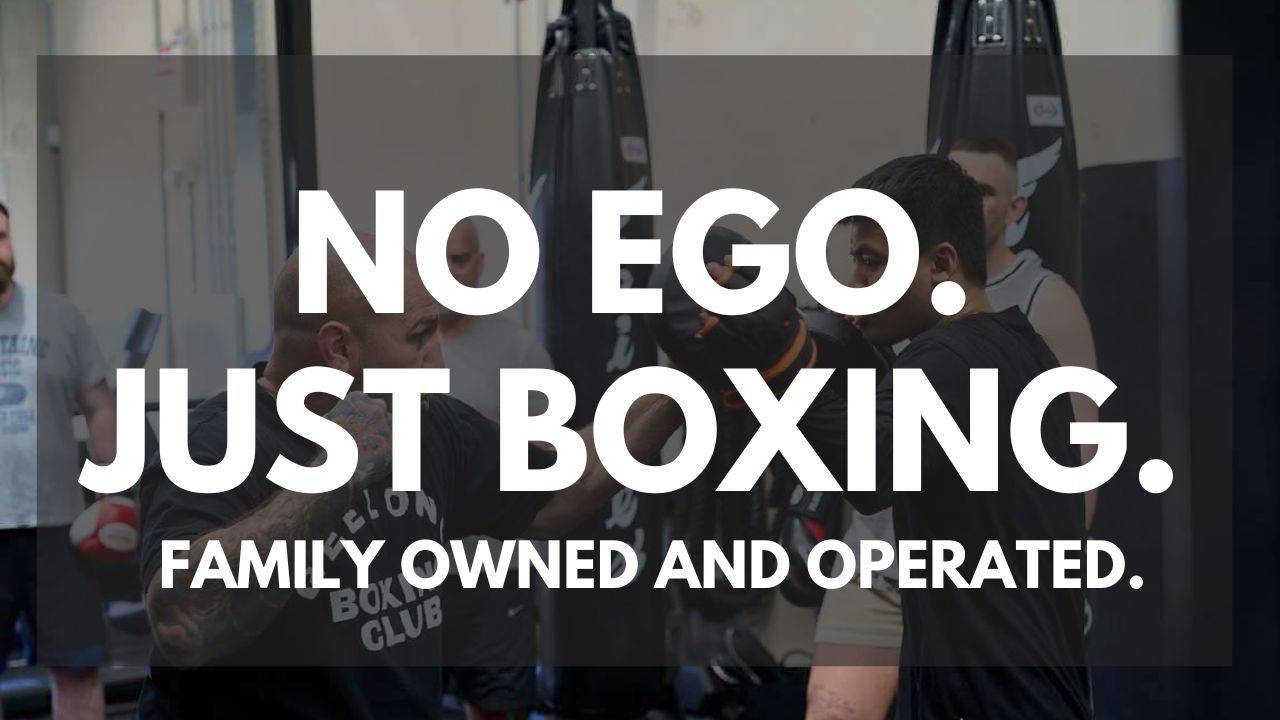
Our kids boxing classes are non-contact, age-appropriate, and intentionally structured. They’re not about competition or toughness. They’re about helping kids learn how to exist alongside others with confidence, awareness, and respect.
For many children, this kind of environment becomes a powerful bridge between home, school, and social life.
That’s why boxing, when done properly, isn’t just physical training.
It’s social learning through movement.
