
Exercise for Mental Health Is Now the Third Biggest Fitness Trend in Australia. Boxing's Been Doing It for Decades.
Jul 06, 2026
AUSactive—Australia's peak body for the exercise and active health industry—just released their top 20 fitness trends for 2025-26. Coming in at number three, behind fitness programs for older adults and Pilates, is Exercise for Mental Health.
Third. On a list of twenty. Ahead of strength training, group fitness, wearable tech, and everything else the fitness industry has been busy trying to sell us.
That's not a small thing. That's a cultural shift.
What Took Everyone So Long?
To be fair, the research has been building for years. We've known for a while that exercise has measurable effects on depression, anxiety, stress, and overall wellbeing. The mechanisms are real: endorphins, reduced cortisol, improved sleep, enhanced self-efficacy, social connection. It's not woo. It's physiology.
But somewhere along the way, "exercise for mental health" got awkward. It got conflated with wellness culture—crystals and cold plunges and journalling about your morning run. The actual science got buried under a pile of athleisure content and influencers talking about their "morning routine."
Now, finally, the fitness industry is saying clearly: movement isn't just about how your body looks. It's about how your brain works.
AUSactive's general manager Chris Alexander put it plainly: "Exercise not only strengthens the body but also supports emotional wellbeing and community connection."
Community connection. Note that word. It's doing a lot of work in that sentence.
Why Boxing Is the Original Exercise-for-Mental-Health Program
I'm slightly biased here—it's my gym—but hear me out.
Boxing, when done right, hits every mechanism that the research points to. The physical intensity is high enough to produce genuine hormonal responses. The skill component requires concentration that effectively crowds out rumination (you cannot spiral in your head when you're trying to remember footwork, defence, and breathing simultaneously). The structure is clear and repetitive in a way that anxious brains often find genuinely soothing.
And then there's the social side. A boxing gym is a community. People know your name. They know if you've been missing for a week. There's accountability that isn't punitive—it's just the quiet pressure of a room full of people who notice you when you show up.
For people carrying anxiety, depression, chronic stress, or just the particular modern malaise of feeling vaguely disconnected from their own life, that combination is powerful.
The Holistic Shift AUSactive Is Describing
What's interesting about this year's AUSactive trends is the broader direction they're pointing in. It's not just Exercise for Mental Health at number three—it's the context around it.
Pilates at number two. Mobility and recovery at number ten. Low-impact, joint-friendly options at number eighteen. Exercise is Medicine at number seventeen.
The picture being painted is of an industry moving away from punishing, aesthetic-focused, "earn your food" training culture and toward something more sustainable. More human. Exercise as health rather than exercise as performance.
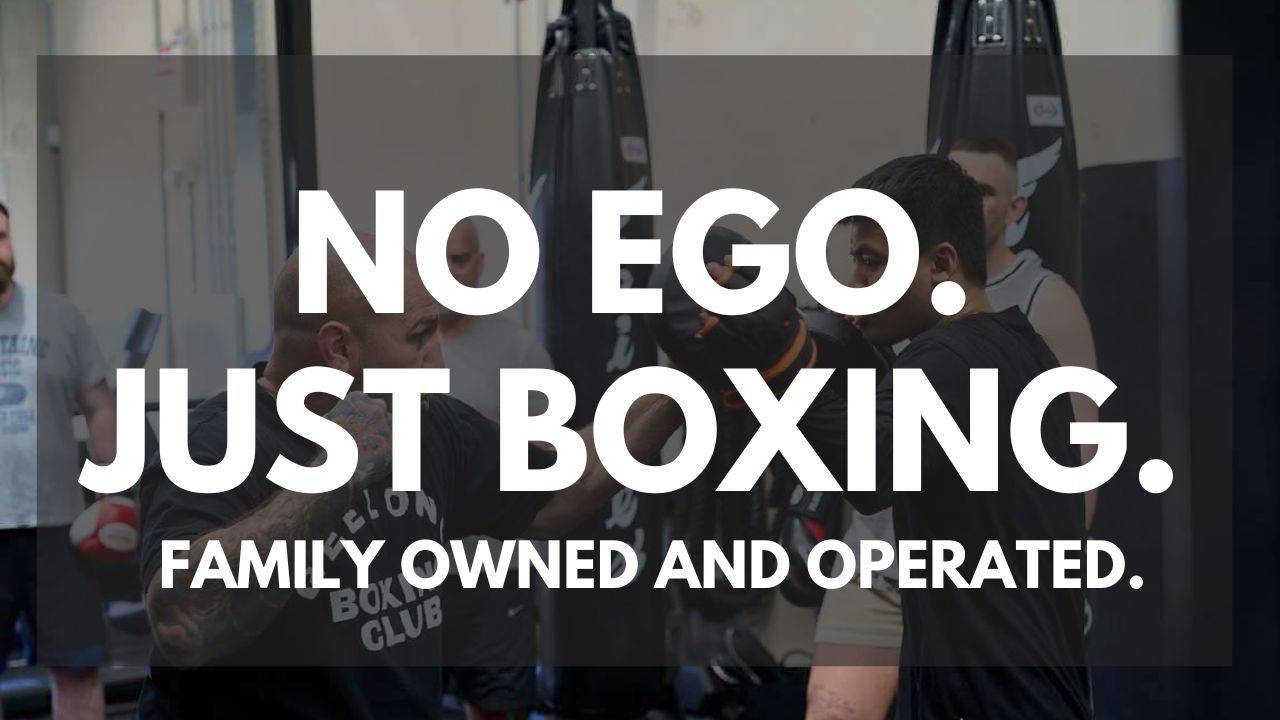
That's exactly the culture we've tried to build at Geelong Boxing Club. The competitive boxing pathway exists if people want it. But the vast majority of people who train with us aren't chasing a bout or a belt. They're chasing how they feel after an hour of hard, focused, purposeful work.
The industry is catching up to what community boxing clubs have always offered.
What "Exercise for Mental Health" Actually Needs to Work
Here's where I'll be direct about what makes a difference and what doesn't.
Going for a walk is good. Going to a gym and grinding alone on a treadmill for forty minutes while doom-scrolling is less good—even though technically it's exercise. The research consistently points to exercise environments that include skill development, social connection, and structure as the most effective for mental health outcomes.
That's not a coincidence. It's not enough to just move. The quality of the environment you're moving in matters.
This is why a boxing program—even an introductory, totally non-contact one—tends to outperform "I'll just exercise more" as a mental health strategy. You're not just burning calories. You're learning something. You're doing it with other people. You're being coached. Every session has a shape.
Ready to Try It?
We run programs at Geelong Boxing Club for adults of all ages and fitness levels, and for kids from age 8. No experience needed. No competition required.
If you're looking for something that's genuinely good for your mental health and also happens to be a brilliant workout, we'd love to see you in the gym.
Source: AUSactive (2025). "Fitness for all generations remains a top priority as new 2025–26 trends revealed." Read the full trends report here.
