
Science Just Confirmed Exercise Beats Medication for Depression. Boxing Coaches Everywhere Are Unsurprised.
Jul 11, 2026
A study published in the British Journal of Sports Medicine in February this year analysed data from 57,930 people aged 10 to 90 and concluded that exercise — specifically aerobic exercise done in group settings — is as effective as, and in many cases more effective than, medication and talking therapies for reducing symptoms of depression and anxiety.
The research establishment has been working very hard to discover something boxing coaches have quietly understood for about a century.
To be clear: this is a genuinely significant piece of research. It's a meta-meta-analysis — a review of reviews — synthesising 57 pooled data analyses, 800 individual studies, and nearly sixty thousand participants. That's not a wellness influencer quoting a single small trial. That's the scientific community building a pretty airtight case.
And the headline finding? Every type of exercise examined — aerobic, resistance, yoga, mixed — performed as well as or better than medication. For depression, group and supervised exercise showed the strongest results. For anxiety, shorter programs of eight weeks or under at moderate intensity were most effective.
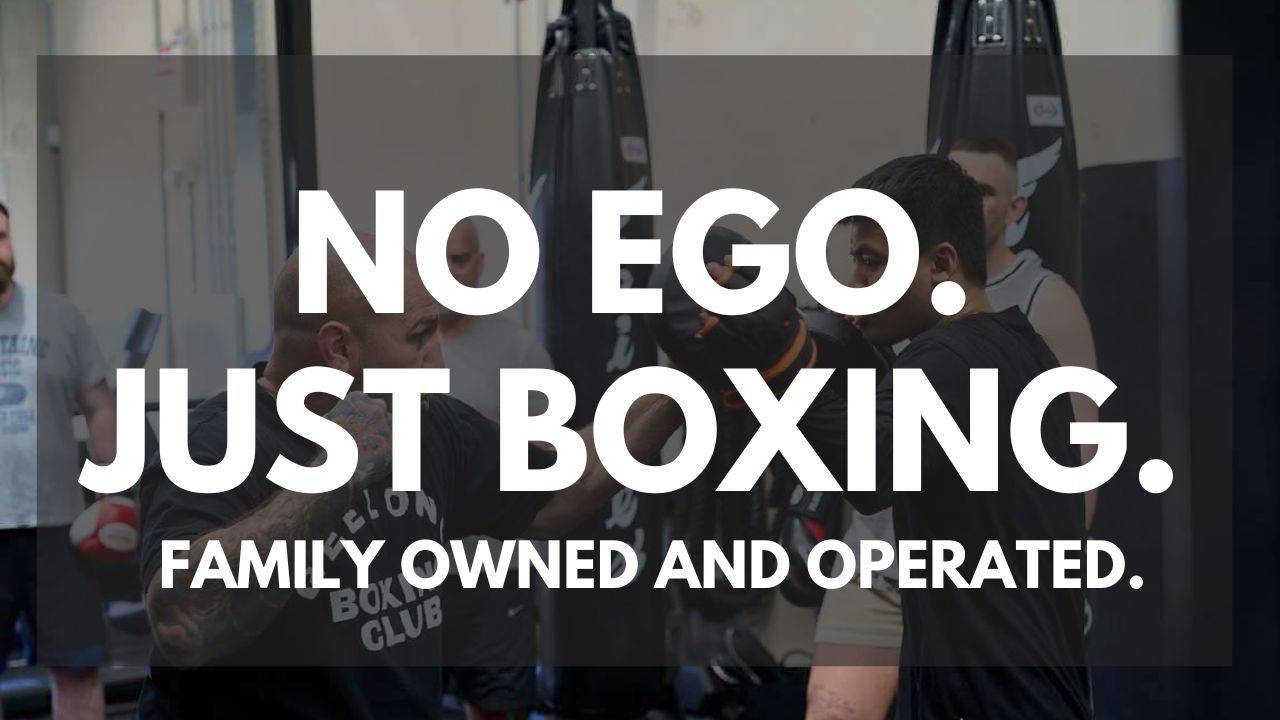
Both of those, as it happens, describe what we do here at Geelong Boxing Club.
The Part That Actually Surprised Me
What struck me most wasn't the headline result. I've watched people walk through our doors flat and walk out lighter more times than I can count. What surprised me was who was showing the strongest response: young adults aged 18 to 30, and women who had recently given birth.
Young adults. The demographic most likely to be prescribed an SSRI and handed a six-week wait for a psychologist appointment. The group most likely to be told that mental healthcare looks like sitting in a room talking about their feelings — rather than throwing punches at a bag until the thoughts quiet down.
Not that there's anything wrong with sitting in a room and talking. Therapy is genuinely useful. But the research is telling us, loudly and clearly, that movement is not a supplement to mental health treatment — it's a frontline option. And for a lot of people, it might be the one that actually sticks.
Why Group Matters More Than You'd Think
The study found that supervised, group-based exercise produced the largest benefits for depression specifically. The researchers noted that "social factors" in mental health interventions appear to be doing a lot of the heavy lifting.
Which makes complete sense, once you think about it. Depression is an isolating experience. Anxiety thrives in the absence of connection. The thing that pulls people back into the world isn't always a pharmaceutical adjustment — sometimes it's having somewhere to be, and someone who notices if you don't show up.
That's not a boxing club selling point. That's just what happens when you put people in a room together and give them something hard to do.
We have members who started coming to Geelong Boxing Club because their GP suggested they "try some exercise." Some of them were nervous, some were clearly struggling, some had never thrown a punch in their life. Almost all of them came back. The ones who are still here years later will tell you the gym gave them structure when everything else felt unstructured, and community when they were otherwise isolated.
The punching helped too. Let's not be precious about that.
What This Actually Means for How We Think About Mental Health
The researchers behind the BMJ study drew a pointed conclusion: "Given the cost effectiveness, accessibility, and additional physical health benefits of exercise, these results underscore the potential for exercise as a first line intervention, particularly in settings where traditional mental health treatments may be less accessible or acceptable."
Less accessible. For a lot of Australians — particularly outside the major cities — that's putting it mildly. Mental health waitlists in regional Victoria are not short. Bulk-billed appointments are not easy to find. A boxing gym that opens at 6am and charges a reasonable weekly fee is, in many practical ways, more accessible than the existing mental healthcare system.
That's a strange thing to type. It's also true.
What We Actually Offer
At Geelong Boxing Club, we run structured fitness boxing classes for adults — no competition, no contact sparring, just technique, conditioning, and sweat. We also work with young people from age eight, and we've long believed that getting kids physically capable and confident is inseparable from their mental resilience.
We are not mental health professionals. We will never claim to be. But the research is increasingly clear that what we do — structured, group-based aerobic exercise in a supportive environment — is doing something real for people's heads, not just their cardiovascular systems.
If you or someone you know has been looking for a reason to try boxing, consider this a fairly credentialled one.
Get in touch at [email protected] — we'd love to have you.
