
The Government Just Spent $513 Million on Australian Sport. Community Clubs & Small Businesses Are Still Running Sausage Sizzles (yup, shes got something to say today)
Jul 11, 2026
The Australian Government announced a $513M sport investment package this week. Most of it is headed toward elite athletes. Here's what community clubs actually need.On June 17, 2026, Minister for Sport Anika Wells announced a $513 million funding package for Australian sport. It's a record investment. It funds 68 national sports programs, extended Para sport development, a new pathway for winter sports following Australia's medal haul at the Milano Cortina Winter Games, and a range of athlete support programs designed to deliver results on the road to Brisbane 2032.
It's also, mostly, for elite athletes. Which is fine... that's how high performance funding works.
But it's worth being honest about the gap between that headline number and what's actually happening at the community level, where most Australians (including the kids who might one day be elite athletes) are either finding or not finding their way into sport.
To be fair to the announcement, it isn't purely elite focused. Buried in the detail is something called Play Well funding, which will go to 58 national sporting organisations to "build safe, inclusive, and community accessible sporting environments." There's also $50.5 million committed to the Sporting Schools program, which gets sport into primary schools ...and which, quietly, does a lot of the actual participation building work that the flashier high performance investment depends on.
Those are real investments in the pipeline. They matter.
But the path from "government funds the Australian Institute of Sport" to "eight year old in Geelong who's never moved their body in an organised way gets access to a sporting environment that changes their life" is long and winding, and most of it runs through clubs like ours ...which receive no federal funding, operate on membership fees and the goodwill of coaches who aren't getting rich doing this, and run their fundraising on democracy sausages and bottle drives like it's 1987.
Australian governments at all levels invest more than $1.3 billion annually in sport ... federal, state, and local combined. That sounds like a lot until you look at where most of it goes: high performance infrastructure, major events, national programs that are largely inaccessible to most of the country.
Meanwhile, community clubs & small businesses like ours which are the actual point of contact between most Australians and organised sport are often operating on margins that would terrify any CFO. Perpetually under resourced, dependent on consistent participation numbers that fluctuate with school holidays, local events, and whether it's raining.
The Victorian parliamentary research on community sport has documented this pressure in detail. The clubs that form the backbone of Australian sporting culture are structurally strained, particularly post pandemic, as membership patterns shifted and the pipeline of volunteers thinned out.
This is the part of Australian sport that $513 million doesn't reach...not directly, anyway.
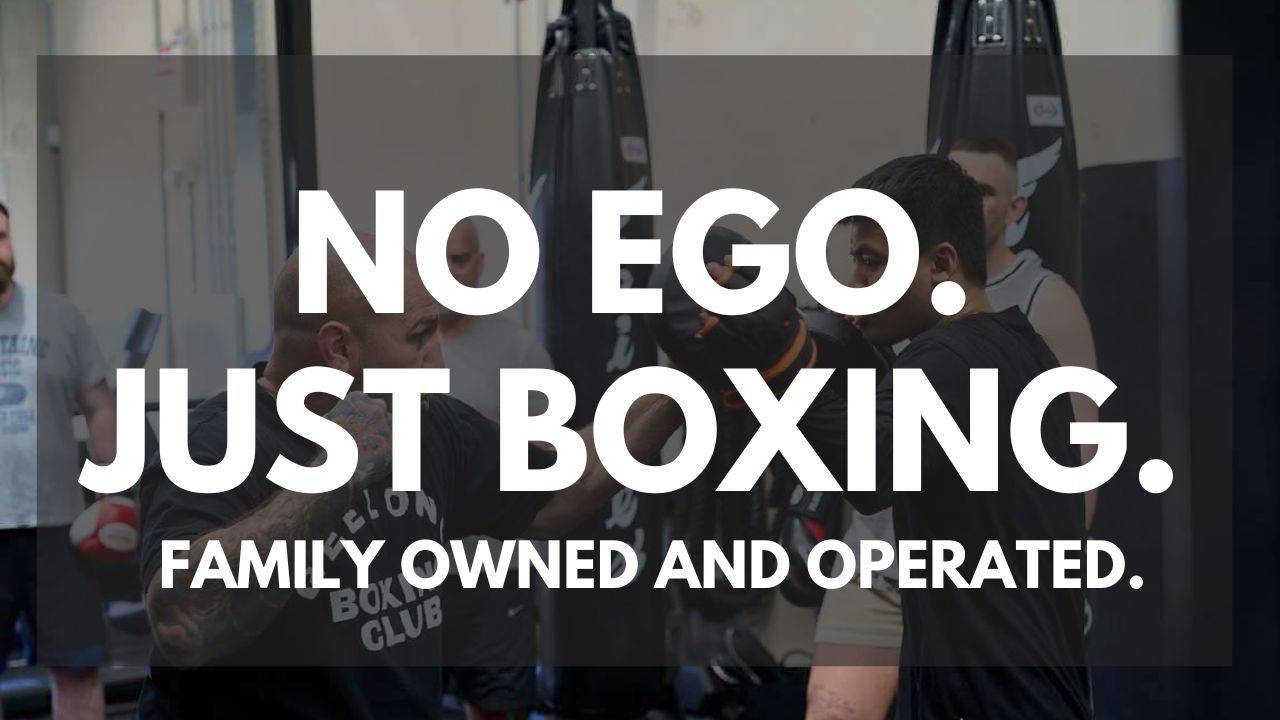
Here's what Geelong Boxing Club does, because I think it's useful to put it plainly...
We provide structured physical activity to members of the Geelong community, from age 5 upward.
We run programs for kids who've been told they're not sporty.
We run classes for adults who haven't exercised properly in years.
We've had referrals, informal ones from GPs, school counsellors, and parents at their wit's end.
We provide something that the high performance pipeline is absolutely not designed to provide, which is a low barrier, non competitive, genuinely welcoming sporting environment in a regional city.
We are not a pathway club. We are not producing Olympians or at least, not primarily. We're producing people who move, who feel capable, who show up reliably to something that challenges them and gives them a community.
That's worth funding. It is, in fact, the thing that all the high performance investment ultimately depends on because elite athletes don't emerge from nowhere. They emerge from communities where sport is normalised, accessible, and genuinely enjoyable at the entry level.
The sausage sizzle model of community sport funding is not a cute Australian tradition ...it's a structural failure that we've collectively agreed to find charming rather than fix.
In the meantime: we're still here. Fees reasonable, coaches qualified, gloves available, door open.
[email protected] come see what community sport looks like when it's actually working.Australian Sport Investment 2026 | Community Boxing Club Geelong
