
Australia's Biggest Mental Health Event Is Built on the Science of Movement. So Is Our Gym.
Jun 30, 2026
Australia's Biggest Mental Health Event Is Built on the Science of Movement. So Is Our Gym.
The Push-Up Challenge—for anyone who's somehow avoided the annual social media campaign where everyone's forearms give out by day three—is Australia's largest physical and mental health event. Every year, participants complete a set number of push-ups over 25 days to raise awareness and funds for mental health. This year's challenge runs in June, which means right now, thousands of Australians are on their bathroom floors at 11pm, trying to hit their daily count.
Good. But here's what's more interesting than the event itself.
The Research Just Landed
A peer-reviewed study evaluating the Push-Up Challenge was published in the Journal of Prevention earlier this year. The researchers tracked nearly 30,000 participants across three timepoints—before the event, two weeks after, and three months later.
The results at three months: small but statistically significant reductions in depression and anxiety symptoms, and meaningful improvements in positive wellbeing.
Three months later. Not just a post-event buzz. Sustained.
The study also measured social connectedness, mental health literacy, and help-seeking behaviour. All moved in the right direction.
What's Actually Happening (Physiologically Speaking)
The Push-Up Challenge works not because push-ups are magic, but because it combines several things that research consistently links to better mental health:
Purposeful movement: Not "exercise generally" but a specific, structured challenge with a defined target. There's something psychologically distinct about working toward something concrete.
Community accountability: You do it publicly, often with a team. Others know if you've fallen behind. That social pressure—when it's supportive rather than shaming—is a motivator with genuine mental health downstream effects.
Mastery and progress: Watching yourself get stronger over 25 days, being able to do more than you could at the start, builds self-efficacy. Which is a clinical term for "feeling like you're actually capable of things," which turns out to be important for mental health.
Mental health normalisation: The whole event is framed around mental health awareness. The number of push-ups participants complete represents the number of Australians lost to suicide in the previous year. Doing the challenge is a way of taking that seriously without needing to have the language for it.
Why This Is the Daily Life of a Boxing Gym
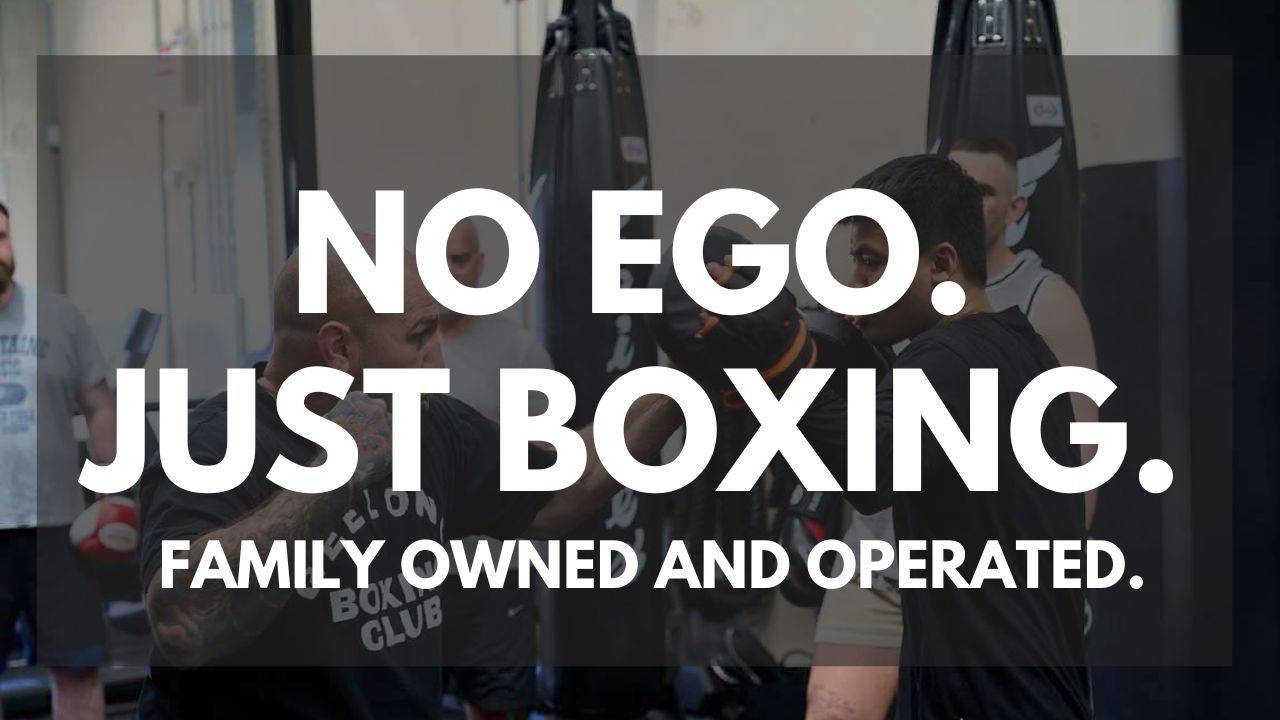
Every session at Geelong Boxing Club involves every single one of these mechanisms.
Purposeful, structured movement? Every round has a purpose. You're not just hitting pads randomly—there's a combination, a drill, a goal.
Community and accountability? Hard to hide in a boxing gym. The coach notices if your output drops. Your pad partner notices if you're going through the motions. In a good way.
Mastery and progress? Boxing is one of the most satisfying sports for this, because progress is so visible. Your jab in week eight looks genuinely different from your jab in week one. You can feel it. Your partner can see it.
And mental health normalisation? We've been doing this quietly for years. People come to the gym carrying things they don't talk about anywhere else, and they leave a bit lighter. We don't make a production of it. We just create an environment where working hard and being human aren't in conflict.
The Wellness Industry Doesn't Own This
The Push-Up Challenge study is a useful corrective. The intervention studied was: do push-ups, track them publicly, repeat for 25 days. It costs nothing. The mechanisms involved are not proprietary.
A boxing gym doesn't cost nothing—fair enough—but it's not the cost of a therapy waiting list, either. And what you get is something structured, coached, social, and progressively challenging. Five times a week if you want it. Once a week if that's what you can do.
The research on movement and mental health keeps pointing in the same direction. The dose matters. The social context matters. The skill component matters. Structure matters.
We've got all of that here.
June Is a Good Month to Start
The Push-Up Challenge wraps up in June—which means a lot of people will emerge from 25 days of daily movement feeling better than they did before it, and then immediately stop.
Don't stop. Find somewhere to keep going.
[email protected] — we'd love to see you in the gym.
