
Why Boxing Is One of the Best Things a Teen Boy Can Do
Mar 12, 2026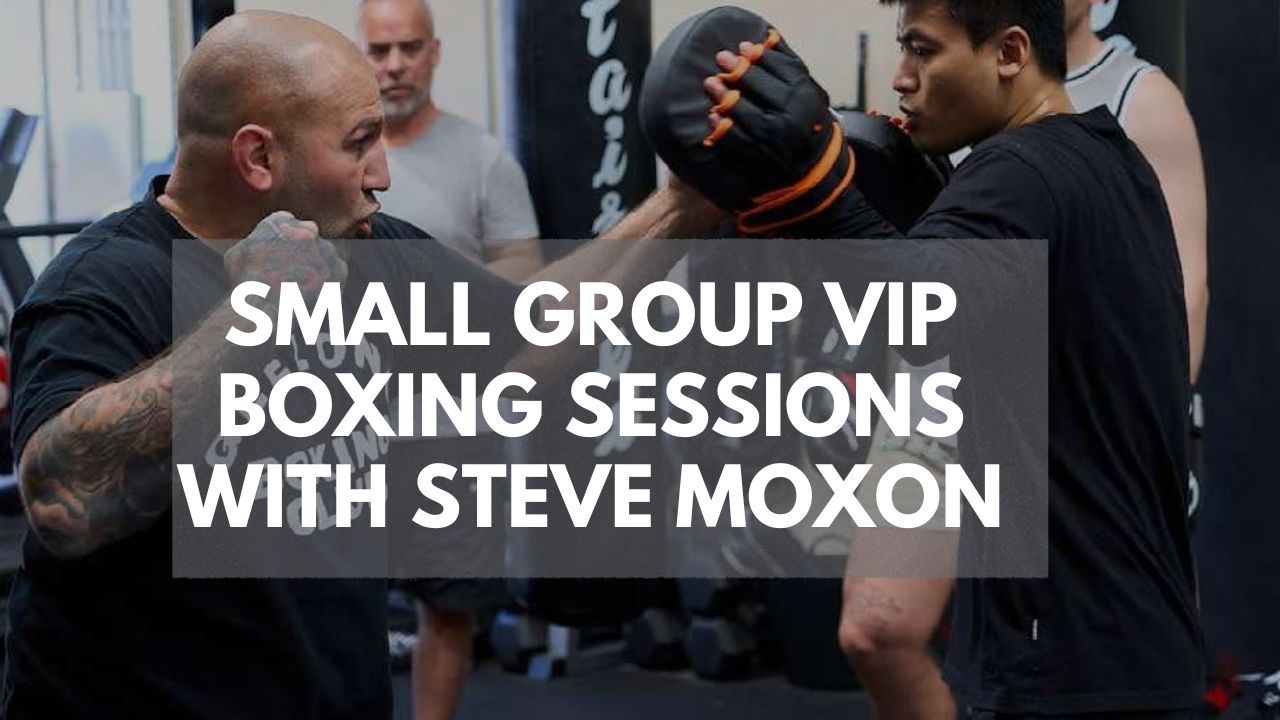
If you mention boxing to most parents of teenage boys, you get one of two reactions. Either their son lights up — because somewhere deep in the teenage brain, boxing sounds like exactly the right thing — or the parent hesitates, wondering if a sport built around punching is really what their son needs more of.
The hesitation is understandable. But it's based on a misunderstanding of what boxing actually is when it's done right — and what it does to a young man when it's taught by the right coach in the right environment.
This post is about that. Why boxing, specifically, is one of the most effective developmental tools available for boys aged 13 to 17. And why what happens in a well-run boxing gym often doesn't happen anywhere else.
The Problem With Most Teen Boys' Activities
Most structured activities for teenage boys are built around team performance and external outcomes. Win the game. Score the goal. Beat the other team. These things aren't wrong — competition has real value. But they create an environment where a boy's worth is constantly being measured against others, where there's nowhere to hide when you're having a bad day, and where the emotional experience of losing or struggling is often left unaddressed.
Boys who don't fit the mould of traditional team sport — who are too intense, too reactive, too individual, too uninterested in fitting in — often disengage from structured activity altogether. And the gap that creates, in terms of physical outlet, social belonging, and meaningful challenge, is significant.
Boxing is different. It is fundamentally individual. You are not measured against a team. You are measured against yourself — against where you were last week, against the combination you couldn't land yesterday, against your own reaction when you get it wrong. That is a different kind of accountability. And for many teenage boys, it is the first time they have experienced it.
What Boxing Actually Teaches — Beyond the Technique
The technical skills of boxing — stance, guard, footwork, combinations, head movement — are real and learnable. But they are not what makes boxing transformative for teenage boys. What makes it transformative is what the learning process requires.
To get better at boxing, you have to tolerate failure. You have to try something, get it wrong, adjust, and try again — in front of a coach, in front of other boys, repeatedly and without the option of blaming a teammate or a referee. That process, practiced consistently over months, builds something in a young man that is hard to build any other way: the capacity to stay composed when things are hard.
That capacity — what we might call emotional regulation under pressure — is one of the most important things a teenage boy can develop. It determines how he responds when he's frustrated, embarrassed, challenged, or afraid. And it is built, at Geelong Boxing Club, not through lectures about emotional intelligence, but through the lived experience of staying focused when it's difficult.
Train. Learn. Belong. Grow.
At Geelong Boxing Club, the Teen Boys Membership is built around four pillars: Train, Learn, Belong, Grow. These aren't marketing language. They describe what actually happens in a session.
Train — every session involves real physical work. Pad work, bag work, fitness drills, technique development. Boys are challenged physically in a way that demands focus and effort.
Learn — the technical instruction is delivered by Steve Moxon, a two-time world champion with over 15 years of coaching experience. Boys learn genuine boxing skills from someone who has operated at the highest level of the sport.
Belong — sessions are boys-only, structured around a culture of mutual respect. The Rights and Responsibilities framework that underpins every session makes belonging conditional on conduct — which means belonging, when earned, means something.
Grow — over time, boys develop not just boxing skill but the personal qualities that come from showing up consistently, managing difficulty, and being held to a standard by someone who genuinely cares about their development.
Why the Coach Matters More Than the Sport
The sport of boxing provides the structure. But what makes the Geelong Boxing Club teen program genuinely different is Steve Moxon.
Steve is a two-time world champion. He has the technical credibility that teenage boys respond to immediately — they know, without being told, that he has earned the right to stand in front of them. But his coaching goes well beyond technique.
Steve's approach is patient, precise, and deeply relational. He notices when a boy is off. He adjusts without making it a thing. He holds a standard without humiliating. He models — through how he speaks, how he carries himself, how he responds to difficulty — the exact qualities he is trying to develop in the young men he coaches.
For many boys, Steve is the first adult male figure outside their family who has held them to a genuine standard while also making them feel genuinely seen. That combination is rare. And its impact extends well beyond the gym.
This Is Not a Fight Gym
There is no full contact sparring in the Teen Boys program. Boys do not fight each other. The focus is entirely on technique development, pad work, bag work, and fitness — in a safe, structured environment where challenge is physical and emotional, not adversarial.
The absence of fighting is not a limitation of the program. It is a deliberate design choice. The goal is not to produce fighters. It is to use the discipline and structure of boxing to produce young men who are physically confident, emotionally regulated, and grounded in a clear sense of who they are and how they want to show up in the world.
|
Ready to find out if this is the right fit for your son? The Teen Boys Membership at Geelong Boxing Club runs Monday and Wednesday, 4:30–5:15pm, for boys aged 13–16. $45 per week, no minimum commitment, casual sessions available for $35.
|
